
CortexForge
Atlas
Core Division
Pricing/Return on Investment
Understand Sovereign Intelligence
Sovereign Intelligence is the ability of a region to use advanced technology, learn from it, and build with it.A data centre can serve customers around the world.What matters is whether the region hosting it can build too.
A Data Centre Is More Than a BuildingA data centre depends on several connected layers:
| Layer | What It Involves |
|---|---|
| Site | Land, electricity, water where needed, and internet connections. |
| Facility | Power systems, cooling, security, and server space. |
| Computers | Servers, AI chips, storage, and networks. |
| Uses | AI systems, research, digital tools, products, and services. |
| Access | Who can use the computers, what they can use them for, and who gets priority. |
| Lasting Value | Skills, knowledge, research, systems, products, services, and new businesses. |
These layers make the data centre possible.The lasting value comes from what people and organizations are able to do with it.
How Capability GrowsWhen access leads to new ideas, working systems, skills, products, and more demand, capability begins to grow year after year.That growth follows a simple cycle:
| Step | What Happens |
|---|---|
| Access | People and organizations get to use powerful computers. |
| Testing Ideas | They try ideas and test what works. |
| Early Results | Ideas become working systems, research, and useful tools. |
| Learning | People gain skills, knowledge, and experience. |
| Creation | Products, services, and new ways of working begin to appear. |
| Growth | More people see what is possible and want to build. |
| More Building | The region becomes more capable over time. |
Ten Years LaterThe bigger question is not only whether the data centre was built successfully.It is what people in the region can build ten years later that they could not build before.A data centre creates infrastructure.Sovereign Intelligence is the lasting value the region grows year after year from hosting the data centre.
Become a BuilderGo deeper into Sovereign Intelligence inside our Stewardship Division
Understand Material Intelligence
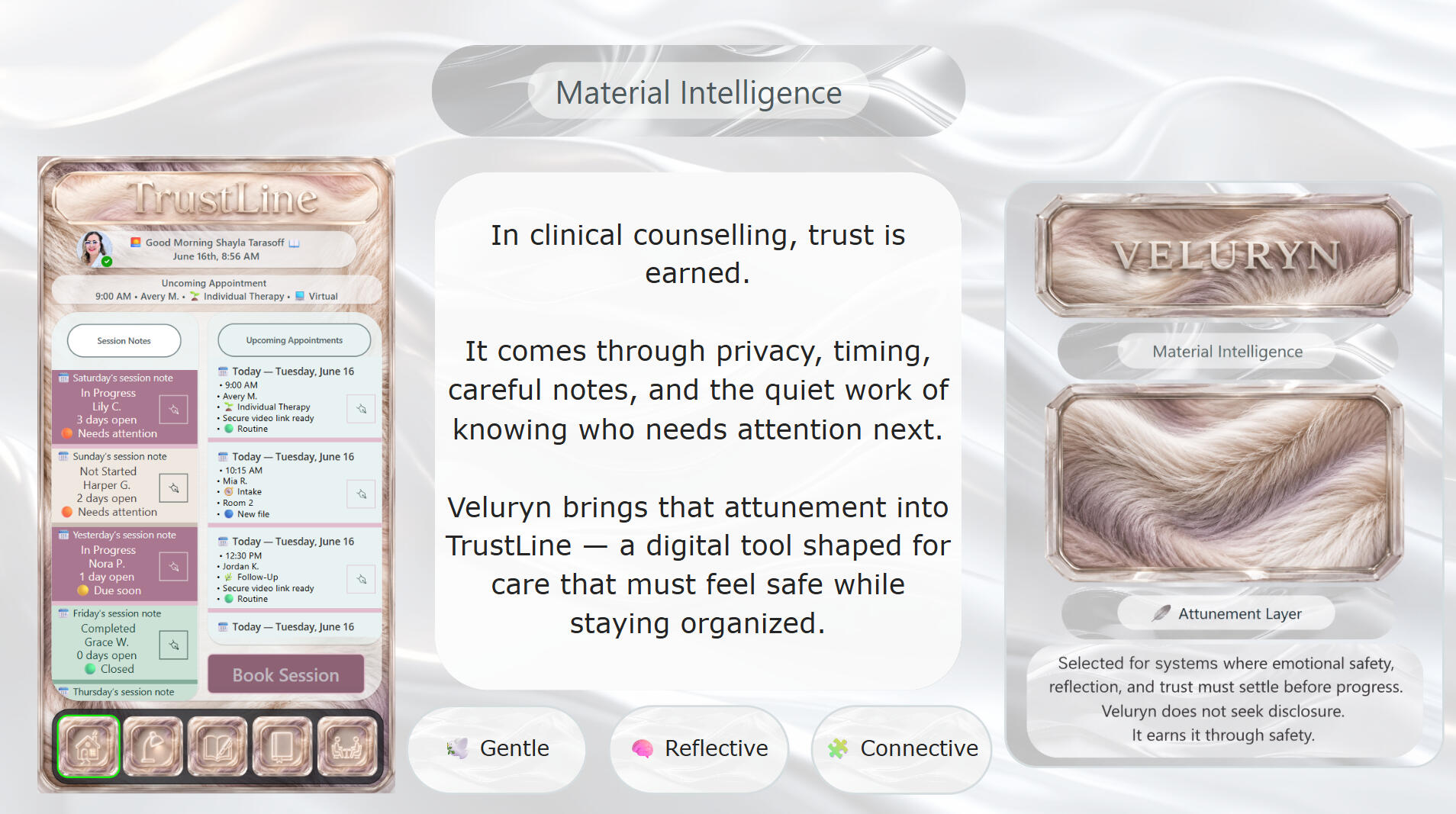
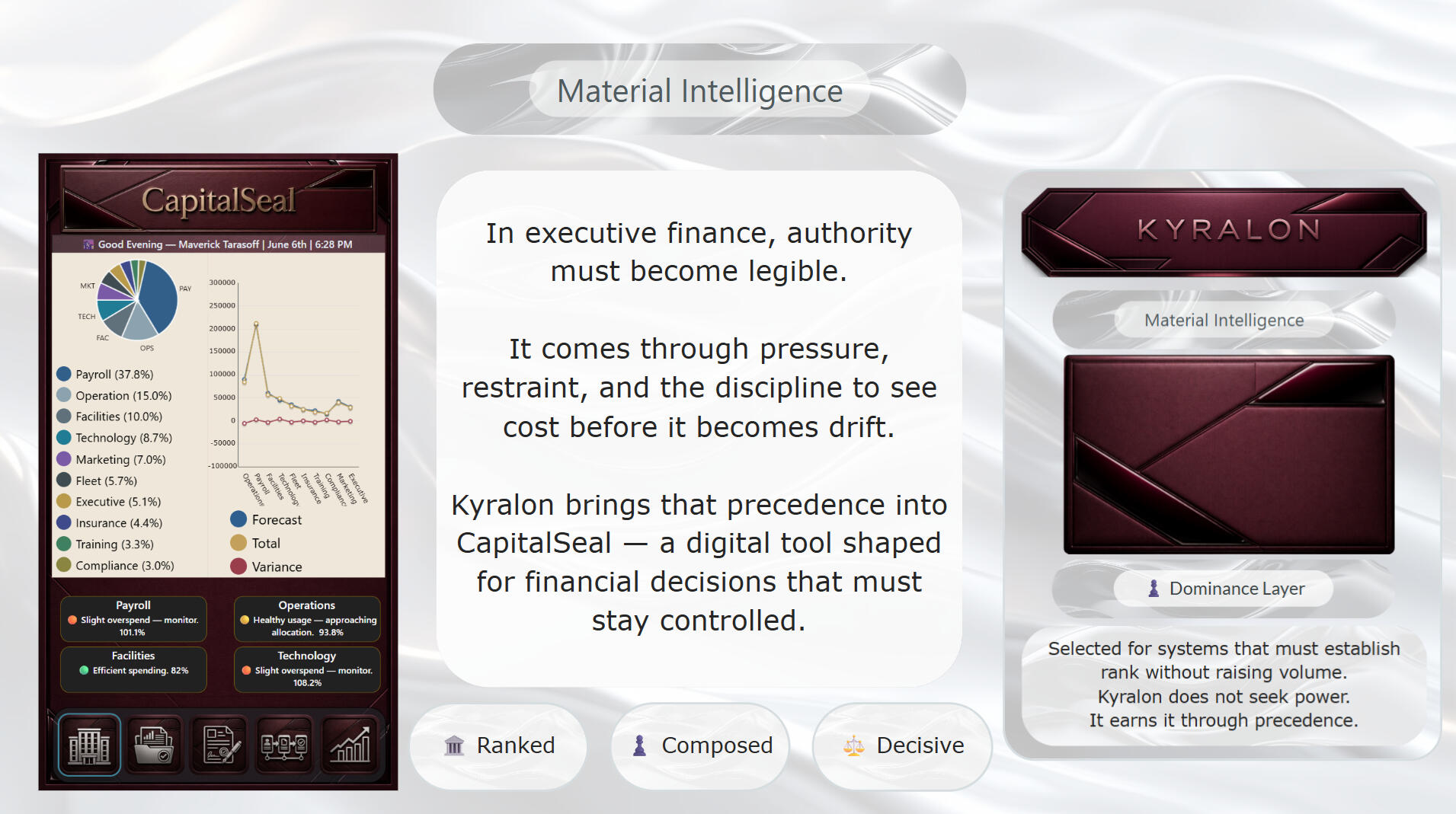
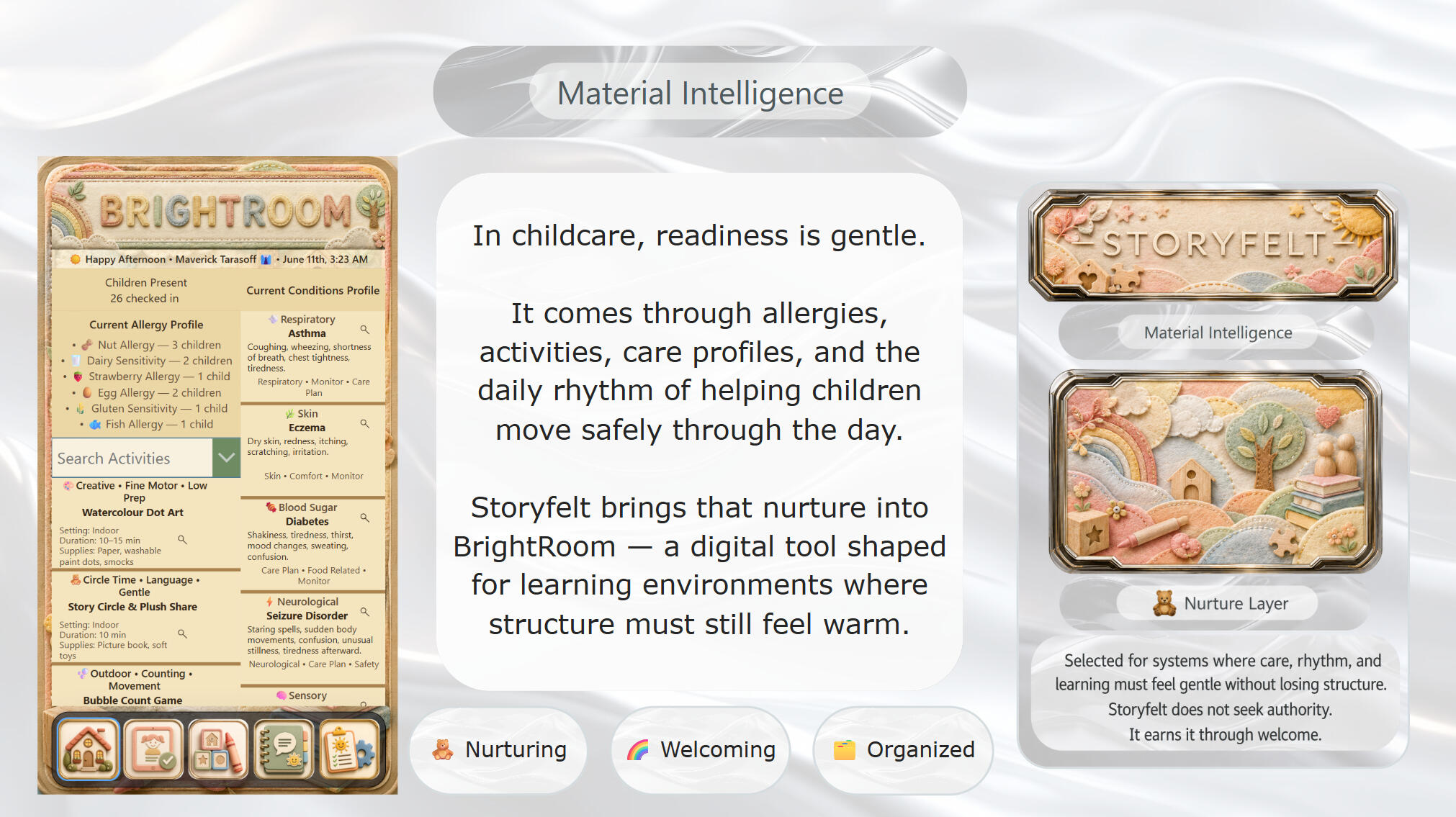
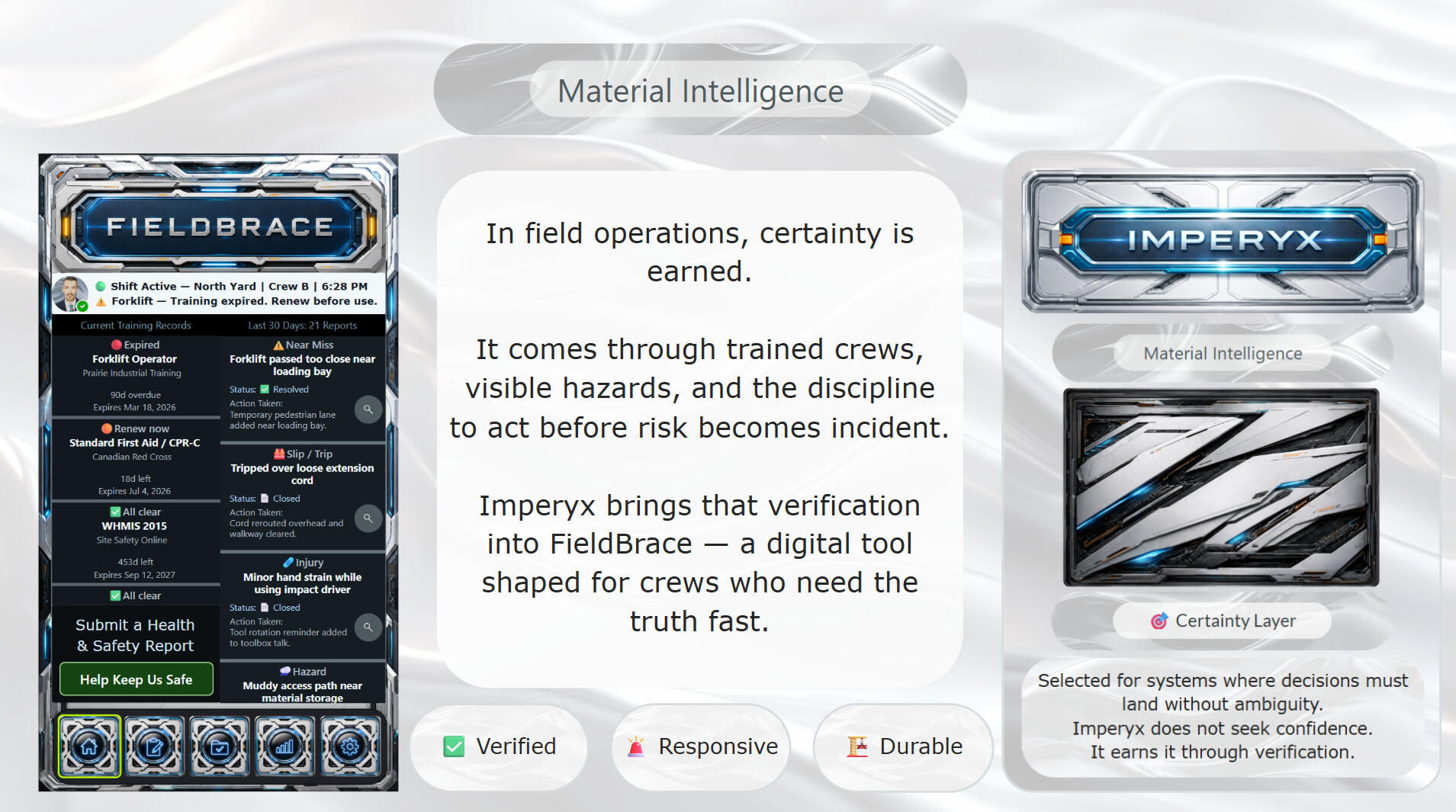
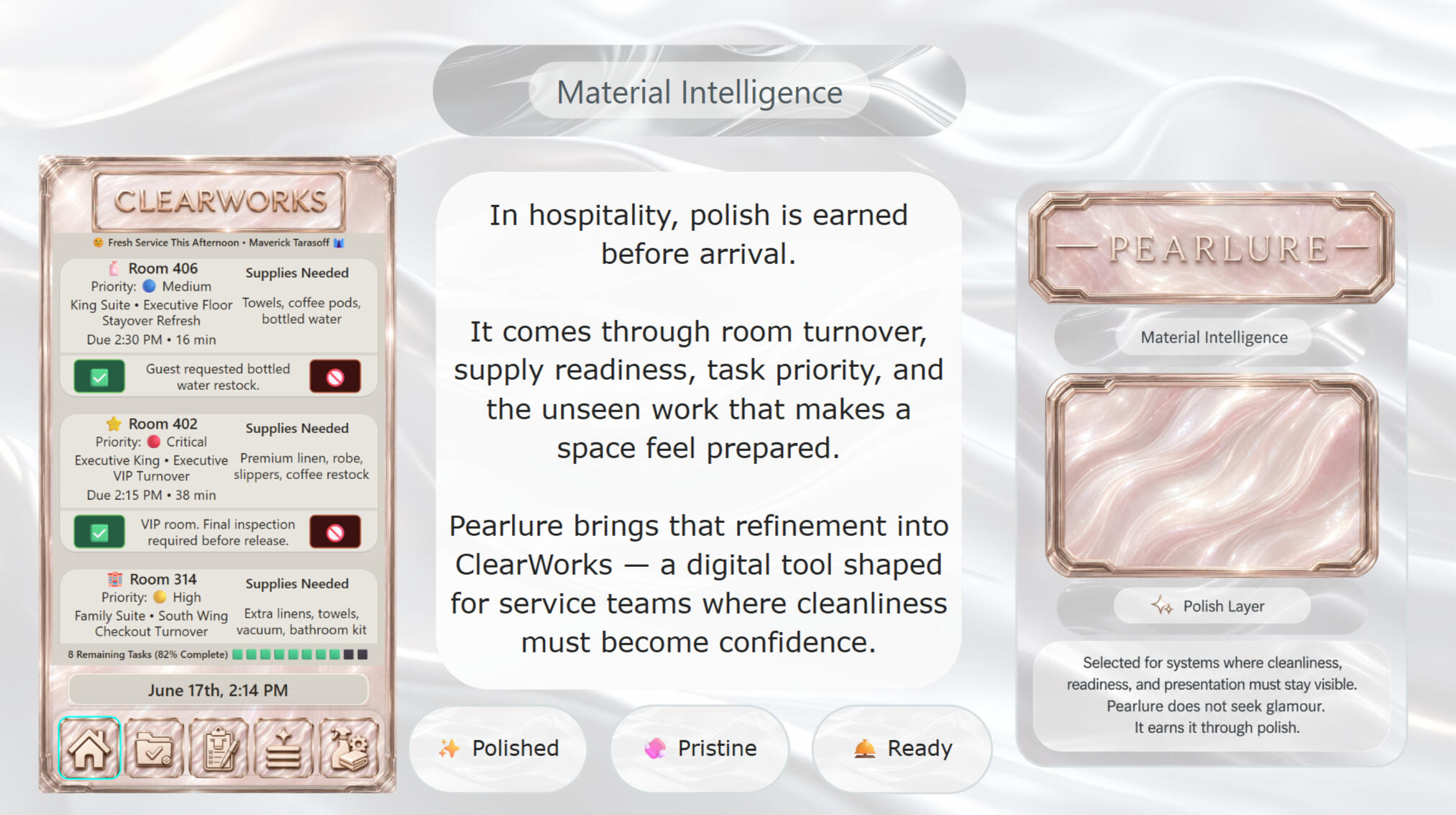
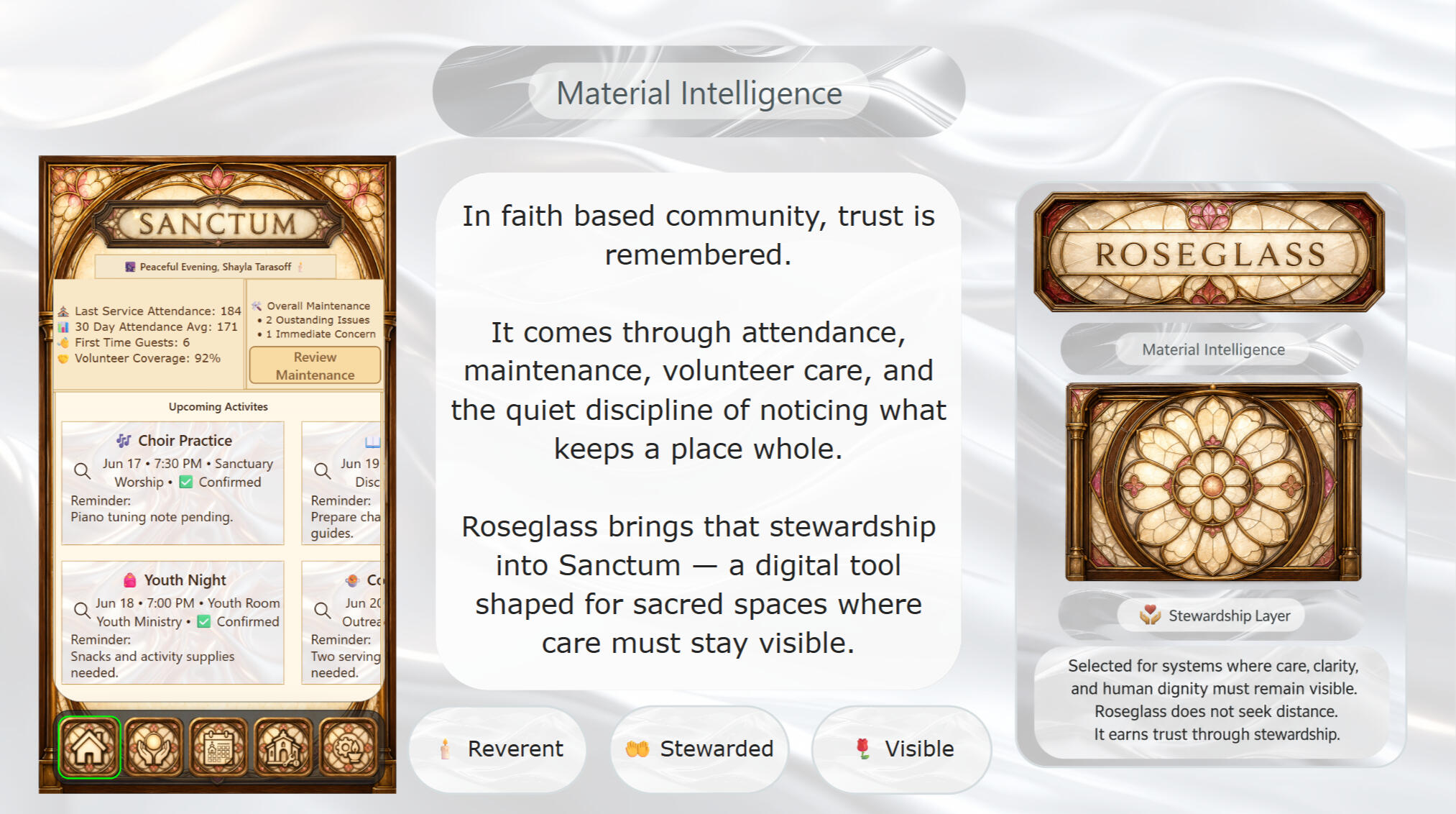
Every CortexForge system is designed around the environment it has to serve.A digital tool should help people understand where they are before they have to think too hard.When someone opens a system, they are not only looking at buttons, charts, menus, and records.They are entering a working environment.They are trying to understand what kind of space they are in and how to behave.What kind of work am I doing here?
Is this urgent?
Is this sensitive?
Is this executive-level?
Is this field-ready?
Is this safe?
What matters first?Material Intelligence is how CortexForge answers those questions through the tool itself.Each material is selected to match the pressure, pace, risk, and emotional conditions of the system it supports.The material helps the user understand the tool before instruction is needed.It turns the interface into part of the system’s training, trust, and intelligence.




Designed with discretion. Built with integrity.Transparency & Data Ethics Statement
All showcased systems are independently authored within a personal Microsoft 365 tenant using publicly available Power Platform tools.
Each is an original creation demonstrating architecture and design integrity — not replicas of institutional systems.
OVERVIEW
Who We Are
CortexForge builds custom technology solutions for organizations, referred to as Client-Owned Operational Intelligence Systems.We create practical tools that help people organize work, reduce confusion, and move through daily tasks with less friction.Instead of relying on paperwork, disconnected spreadsheets, long email chains, or manual tracking, we help organizations turn scattered work into clear digital tools people can use on a computer, tablet, or phone.
Why We Exist
Work should not become harder because the tools around it are confusing.Many teams are already busy, stretched, and responsible for more information than they can reasonably manage through paper, email, and disconnected software.We believe good technology should reduce pressure, not add to it. It should help people find what they need, understand what matters, and complete their work without fighting the system in front of them.When tools are designed well, people spend less time managing confusion and more time doing the work that actually matters.
Where We Are
CortexForge is based in Saskatoon, Saskatchewan.We build from a prairie foundation: practical, reliable, grounded, and focused on systems that hold up in real working conditions.
What We Do
Our work starts with the way your organization actually works, identify where information gets lost, delayed, or repeated, and then design tools that fit the way your people need to operate.Our work is built using the Microsoft platform that many organizations already have, including tools connected to Microsoft 365 and the Microsoft Power Platform.
The Big Picture
Think of an organization as a building with many rooms.One room helps leadership see the full picture.One room helps staff complete daily work.One room supports safety, reporting, and emergency response.One room supports community programs, education, or public service.Too often, those rooms are disconnected. Information stays trapped in one place, teams lose track of what others are doing, and leaders are forced to make decisions with an incomplete view.CortexForge helps connect the rooms.We build digital systems that allow information to move clearly between people, teams, departments, and decision-makers.The result is not just another app.It is a more organized way for the whole organization to work together.
The Bottom Line
CortexForge builds calm, simple tools so your team can work together without the mess. We take the "hard" out of technology so you can just get back to work.
WHAT WE BUILD
We streamline paper-based processes
Many organizations still run on notebooks, spreadsheets, paper forms, email threads, and files stored in too many different places.We help bring that information into one clear system.Instead of searching through folders or trying to remember where something was written down, your team can find what they need in a tool built around the way the work actually happens.One place. Clear records. Less searching.
We improve coordination across teams
Work gets harder when people are operating from different versions of the truth.We build tools that help teams see tasks, updates, issues, and decisions as they happen.When someone completes a step, records a concern, or changes important information, the right people can see it without relying on memory, side conversations, or another email chain.Everyone works from the same picture.
We design technology that feels clear and manageable
Good software should not make people feel overwhelmed.We design tools that are clear, focused, and easy to move through. Screens should make sense. Buttons should be obvious. Steps should feel natural.This is part of our trauma-informed design approach: building systems that reduce pressure instead of adding more mental load.The goal is simple: fewer confusing screens, fewer unnecessary steps, and fewer moments where people feel stuck.
We use AI to reduce repetitive work
We use Artificial Intelligence (AI) to support people, not replace them.AI can help summarize information, organize records, draft content, identify patterns, and reduce repetitive administrative work.Your team stays in control through review steps, approval points, and final decision-making authority.
How We Think
The Person is Always in Charge
Technology should be a helper, not the authority.Our systems are designed to provide better information, reduce manual effort, and support clearer decisions — but a human being remains responsible for the final decision.
You Own Your Information
We design systems with ownership, access, privacy, and accountability in mind, so you understand where your information lives, who can access it, and how it is being used.
Clear and Honest Systems
When a tool performs a task, moves information, triggers an alert, or supports a decision, the logic should be understandable.We build for visibility, traceability, and practical auditability, so people can see what happened and trust the process behind it.If a system matters, its work should be explainable.
Guardrails make work safer
We design workflows that make important steps easier to follow, track, and complete.Practical checks and approval points help reduce missed actions, keep records consistent, and clarify what needs to happen next.These structures are not meant to make work rigid. They are there to make dependable work easier to repeat.
Tools That Make Sense
People should not have to guess what a system is asking them to do.Through Material Intelligence, we design digital tools with clear structure, recognizable patterns, and visual cues that make the interface easier to understand and use.A good screen should feel intentional. Its labels, layout, hierarchy, and interactions should help people understand where they are, what matters, and what needs to happen next.The tool should communicate before it has to explain.
The Big Picture
We believe technology should be a sturdy, reliable partner.It should respect people’s time, protect important information, reduce unnecessary pressure, and make daily work easier to understand.CortexForge builds systems with one core belief:Technology should help people work with more clarity, confidence, and control.
Who We Serve
Executives & Leaders
We help leaders see the full picture.From operations and projects to budgets and performance, we build dashboards and systems that turn scattered information into clear decision support.Better visibility. Faster understanding. Stronger decisions.
MUNICIPALITIES & PUBLIC SECTOR
We support the organizations that keep communities running.From records and reporting to maintenance, coordination, and public service workflows, we build tools that help public work become easier to manage and easier to trust.Clearer systems for complex public responsibilities.
EDUCATION & Community
We help schools, congregations, and community hubs reduce administrative pressure.Whether tracking student needs, schedules, incidents, communication, or daily operations, we build tools that let educators spend less time managing paperwork and more time supporting people.Less office burden. More focus on care and learning.
SECURITY & OPERATIONS
We build systems for teams working in high-pressure, fast-moving, or field-based environments.These tools are designed to stay simple when the work is not: reporting, escalation, coordination, safety checks, incident tracking, and frontline communication.Reliable tools for work where clarity matters.
ENTERPRISES
We help larger organizations connect teams, departments, data, and workflows.When information is trapped in silos, we build the connective systems that help people work from the same source of truth.Less fragmentation. More coordination.
ORGANIZATIONS IN TRANSITION
We support organizations that are growing, restructuring, modernizing, or changing how they work.When the old way no longer fits, we help build a stronger digital foundation for the next stage.Systems that help change feel organized instead of chaotic.
NON-PROFITS ORGANIZATIONS
We help mission-driven teams manage the work behind the mission.From donations and volunteers to programs, reporting, and service delivery, we build practical tools that help limited time and resources go further.Stronger coordination for people doing important community work.
The Big Picture
If your organization feels busy, high-pressure, scattered, or difficult to manage with the tools you have now, CortexForge builds systems that bring the work back into focus.
Why It Matters
Work should be about people, not paperwork
Too much time is lost to repetitive administrative work: entering the same information twice, searching for files, chasing updates, or rebuilding records that should already exist.We build systems that reduce the busywork so people can focus on the parts of the job that require judgment, care, attention, and human experience.Less time managing the mess. More time doing meaningful work.
Keeping AI as a helpful assistant
AI can be useful when it supports the right tasks.It can summarize information, identify patterns, organize records, and reduce repetitive work. But it should not quietly take over decisions that belong to people.CortexForge uses AI as a controlled assistant, with human judgment kept at the centre.AI can help clear the path. People remain in the driver’s seat.
SYSTEMS NEED TO HOLD UP UNDER PRESSURE
When work gets busy, urgent, or high-stakes, tools need to stay clear.We build systems that are designed to remain simple, reliable, and usable even when conditions are not ideal.
TRUST COMES FROM Feedback
People trust systems when they can see that their work has been received and understood.A form should confirm when it is submitted.
A record should show when it has been updated.
A workflow should make clear when something is waiting, approved, returned, or complete.We design systems that give people meaningful feedback at each step, so they are not left wondering whether their contribution disappeared into the process.When people can see how their input moves through the system, the system becomes easier to trust.
FRONTLINE WORK SHAPES BETTER LEADERSHIP
The best information often starts with the people closest to the work.When frontline tools are easier to use, the records become cleaner, the updates become faster, and leadership gets a more accurate picture of what is actually happening.Better systems connect the front line to the front office.Clearer daily work creates better organizational decisions.
PRAIRIE-GROUNDED INNOVATION
CortexForge is based in Saskatchewan, and that matters.Our work is shaped by a practical belief in reliability, responsibility, and building things that hold up in real conditions.
The Big Picture
Technology should be a quiet, reliable partner.When systems are designed responsibly, they help people work more accurately, reduce unnecessary stress, and end the day with a clearer sense of what was done.
Media & Press
COMPANY BOILERPLATE
CortexForge is a Saskatoon-based consulting firm that builds calm, practical digital systems for organizations whose work has outgrown paper, spreadsheets, email chains, and disconnected software.The firm specializes in Microsoft Power Platform, responsible AI workflows, and people-first system design.CortexForge helps organizations reduce paperwork, organize information, improve coordination, and create tools that feel easier to use, easier to maintain, and easier to trust.At its core, CortexForge believes technology should act as a clear, reliable support system — not another source of pressure.Our category is Client-Owned Operational Intelligence Systems.
Meet the Founders
CortexForge was founded by Maverick and Shayla Tarasoff.Together, they bring a practical, human-centred approach to technology: systems should be useful, understandable, respectful, and designed around the people who rely on them.You can find their full bios and professional photos below.
Media or Speaking inquiries
CortexForge handles media inquiries through a structured written process. This allows us to provide accurate, well-considered responses while respecting client confidentiality, active project commitments, and the nature of our work. Written correspondence is our preferred method. Please include your outlet, topic, and any questions or background needs.
A response is not guaranteed.
Contact: [email protected]
Press release
Frequently Asked Questions (FAQ)
Are you a software company or a consulting firm?
CortexForge is a consulting firm that designs and builds custom digital systems.
Do organizations need to buy new technology first?
Not usually. Much of our work is built using Microsoft tools many organizations already have, including Microsoft 365 and the Microsoft Power Platform.
Is our data safe?
CortexForge designs systems with ownership, access, privacy, and accountability in mind. Your information stays under your organization’s control.
Do you use AI?
Yes, but carefully. CortexForge uses AI as a controlled assistant to support tasks like summarization, organization, pattern recognition, and workflow support. Human judgment remains in charge.
What makes CortexForge different?
CortexForge combines systems architecture, responsible AI, trauma-informed design, operational experience, and plain-language consulting to build tools that are practical, calm, and trustworthy.
How do projects usually begin?
Most projects begin with a conversation about the organization’s current workflows, pain points, tools, and goals. CortexForge starts by understanding how the work actually happens before recommending what should be built or improved.
DO WE NEED TO KNOW EXACTLY WHAT WE WANT?
No. CortexForge can help organizations clarify the problem before choosing the solution. Early work often focuses on listening, mapping, simplifying, and identifying what would make the biggest practical difference.
CAN YOU HELP IF OUR PROCESSES ARE MESSY?
Yes. Many projects begin with unclear workflows, scattered information, duplicated effort, or tools that no longer fit the way a team actually works. CortexForge helps map the current reality before designing a better system.
DO YOU OFFER ONGOING SUPPORT?
CortexForge is designed to help organizations become more self-sufficient, not more dependent on outside consultants. Projects are built with documentation, training, and internal handoff in mind, so teams can understand, manage, and grow their systems with confidence.When needed, CortexForge can provide additional support or refinement after launch, but the goal is always to leave organizations stronger, clearer, and more capable.